
Search
Search
Close
Exhibition
Check category
/
/
Changan Alsvin Car

Changan Alsvin Car

  • Categories:News
  • Time of issue:2023-03-28 22:41
  • Views:

Changan Alsvin Car

In terms of space parameters, the car is positioned as a small car, the length, width, and height are 4390/1725/1490 mm, the wheelbase is 2535 mm, in terms of driving space, the experience is 172 cm tall, came to the front row, the seat height to the appropriate driving position, at this time the head space left four fingers.

From the side of the car, the car is equipped with a tire specification of 185/55 R15, matched with multi-spoke wheels, while the side waistline is segmented design, helping to increase the sense of the vitality of the side of the car.

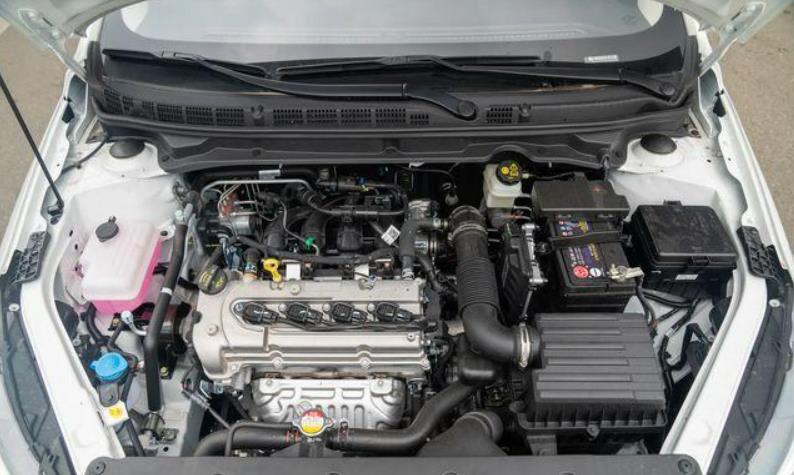
In terms of power parameters, the car is equipped with a 1.5L 107 hp L4 engine with a maximum power of 78kW and a maximum torque of 145N-m, matched with a 5-speed dual-clutch transmission, with a top speed of 180km/h and an NEDC combined fuel consumption of 6.2L/100km, which is economical.
As a professional CHANGAN auto spare parts dealer, we could provide our customers good and professional service.

* Good quality auto parts with competitive price

* Professional auto parts packaging

* On-time delivery


Applicable Models

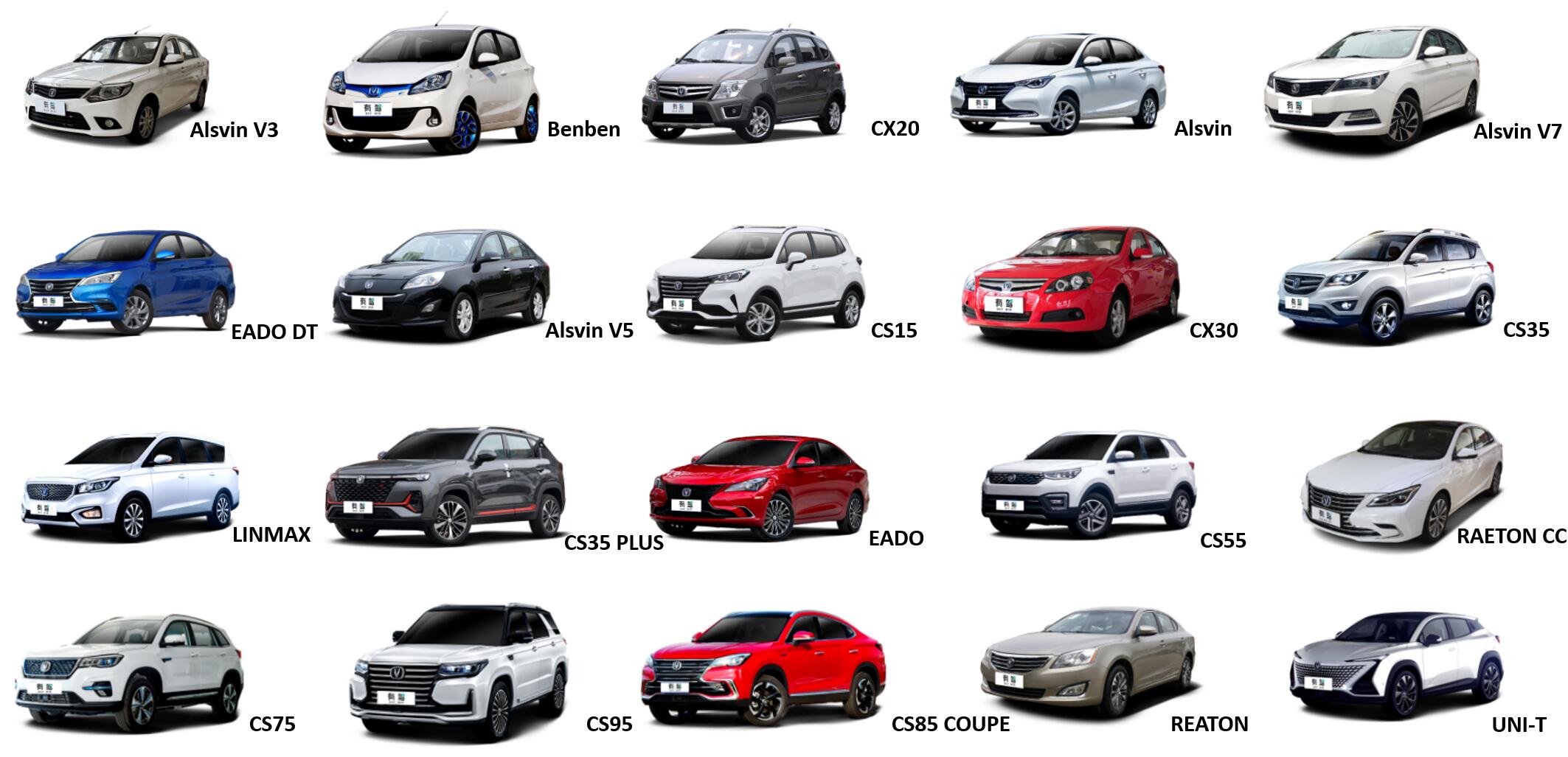
MiniVan: Star Series, V3, CM10 and etc;

Sedan: Benben, Alsvin V3/V5/V7, CX20, EADO series, Raeton, Raeton CC;

SUV: CS15, CS35, CS55, CS75, CS85, CS95, UNI-T, UNI-K;
Keyword:

Common Car Ignition Problems and How to Fix Them 2026-01-16 10:20:25
I. Introduction: A Relatable Starting Problem Imagine a cool morning. You are running late. You climb into your vehicle. You turn the key. Or you hit the start button. Yet nothing occurs. You hear no engine rumble. The dashboard stays dark. Only silence remains. If you have faced this, you understand the annoyance and puzzle it creates. Years ago, a basic fix or battery boost often solved it. But current cars rely on more complex ignition setups. These blend electronic and mechanical elements tightly. Automotive tech has grown steadily. Thus, the ignition system's layout and purpose have changed as well. Such improvements boost output and dependability. Still, they introduce additional spots for errors to develop. Learning the ignition system's operation and spotting routine glitches can save hours and trim repair bills. This article reviews the primary elements of the ignition system. It covers everyday hurdles drivers encounter. It also gives useful tips for spotting faults. In the end, this ensures your engine fires up reliably each time. II. How the Ignition System Works: A Brief Overview Launching your car involves far more than flipping a key or tapping a button. It triggers a carefully scheduled series of actions. These actions involve power signals, mechanical shifts, and fuel ignition. The ignition system's chief job is to produce a robust spark. This spark lights the fuel-air blend in the engine's firing chamber. Several components have to cooperate smoothly. Sensors track the crankshaft's location. Control boxes handle the schedule. All parts must align for proper fuel burn. A minor glitch in the ignition sequence can reduce strength or halt your drive completely. III. Key Ignition System Components Understanding your vehicle's ignition system parts is vital for solid troubleshooting. A. Ignition Switch The ignition switch kicks off the process when you attempt to fire up your car. It channels battery energy to essential systems. Key ones are the starter motor, fuel pump, and ignition coil. B. Ignition Coil The coil changes low battery power into high voltage. You need this for generating a spark at the spark plug. C. Distributor, Cap, and Rotor (for Older Vehicles) In traditional designs, the distributor routes high voltage from the coil to the right cylinder. It does so via spark plug wires. The cap and rotor assist in guiding the energy precisely. D. Crank & Cam Position Sensors These sensors deliver instant info on the crankshaft and camshaft spots. This info is crucial for spark scheduling. E. Ignition Module/Control Unit This electronic device gathers sensor input. After that, it tells the ignition coil to release a spark at the right instant. F. Spark Plugs & Wires vs. Coil-on-Plug Systems Classic engines use spark plugs linked to coils or distributors through wires. Modern vehicles typically employ coil-on-plug (COP) arrangements. In such systems, each plug connects directly to its dedicated coil. IV. Common Problems and Diagnostic Solutions A. Problem: Vehicle Won’t Start When your vehicle will not crank, various reasons could be responsible. Possible Causes: A broken ignition switch might not supply energy. Crank or camshaft sensors may send faulty readings. The ignition control module could fail. Spark plugs might be outdated. Cables may suffer harm. Or the key fob's battery could be weak. Solution Steps: Begin with simple inspections. Confirm the battery holds sufficient power. Inspect fuses and relays tied to the ignition. Refer to your owner's manual for precise instructions. Should the problem persist, consult a skilled technician. Provide every bit of info you have. Mention fresh symptoms or alert lights. B. Problem: Car Stalling A vehicle that quits suddenly during travel poses risks and frustration. Possible Causes: Defective sensors typically relay wrong details. A intermittent ignition switch fault can drop power mid-ride. Worn spark plugs lead to spotty combustion. Or a damaged ignition control module may disrupt commands. Solution Steps: Schedule a complete evaluation. Signs like bumpy idling or delayed pickup while accelerating usually hint at impending stalls. Heed them carefully. C. Problem: Engine Misfires An engine misfire points to partial fuel burn in select cylinders. Possible Causes: Faulty ignition coils fail to build sufficient voltage. Dated distributor units might deliver feeble sparks. Clogged or aged spark plugs block proper burn. Errant crankshaft or camshaft sensors cause schedule errors. Solution Steps: Examine the setup without delay. This stops lasting engine injury. Though misfires can tie to fuel troubles, begin by assessing the ignition system. D. Problem: Dashboard Warning Light (e.g., Check Engine Light) A dashboard alert can indicate ignition faults. It appears before clear driving changes. Possible Causes: Failed sensors or units might log odd values. Broken ignition coils spark misfires. Used spark plugs or

Contact us 

MotorTec (Nanchang) Auto Parts Ltd.

Address:Building 3, Jiangxi Yimin Industrial Area.No. 898 Jinsha 3rd Road, Xiaolan Economic Development Zone, Nanchang City,Jiangxi Province
Whatsapp/Wechat: 86 189 0700 4062
E-Mail: john@motortec.com.cn

//omo-oss-file.thefastfile.com/100001/new2021073017261834921/cms/file/cabcfac6-8f0e-4959-a119-129b29a9dcc9.png

  Copyright 2021 MotorTec (Nanchang) Auto Parts Ltd. All Rights Reserved  赣ICP备2021008218号      SEO